Sports Osteopathy · Prevention & Performance
Sports Osteopathy
in Paris 15 & Sèvres
Whether you're a weekend runner, a competitive swimmer or a regular gym-goer, osteopathy helps you perform pain-free, recover faster and prevent the injuries that hold back your progress.
Clinics in Paris 15 (75015) and Sèvres (92310)
When should you see a sports osteopath?
Before
Preventive Assessment
- •Before a competition or a return to activity
- •Annual mobility and balance check-up
- •Detection of silent compensation patterns
- •Optimisation of the postural chain
During
Injury Treatment
- •Tendinitis (Achilles, patellar, shoulder)
- •Sprains and after-effects of injuries
- •Lower back and neck pain in athletes
- •Groin pain (pubalgia), shin splints, iliotibial band syndrome
After
Recovery
- •Post-competition recovery
- •Relief of residual muscle tension
- •Improved sleep quality and recovery
- •Reduced time before returning to training
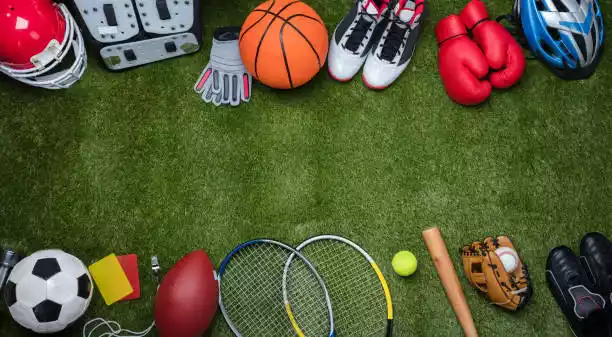
Sports and Conditions Commonly Treated
Running
Iliotibial band syndrome, shin splints, runner's knee pain
Swimming
Swimmer's shoulder, neck pain, rib cage restrictions
Cycling
Cyclist's neck pain, knee issues, saddle-related back pain, wrist pain
Football / Rugby
Ankle sprains, groin pain, lower back pain, post-match aches (concussion requires medical assessment)
Tennis / Padel
Tennis elbow (epicondylitis), shoulder pain, mid-back restrictions
CrossFit / Weight Training
Shoulder pain, lower back pain, hip and knee issues
Dance / Martial Arts
Joint mobility, sprains, chronic tension in the posterior chains
Any Competitive Sport
Six-monthly preventive check-up, integrative physical preparation
Frequently Asked Questions
When should an athlete see an osteopath?
Before a competition (preventive assessment), after an injury, in case of chronic pain limiting training, or for recovery. An annual check-up is recommended for anyone who exercises regularly.
Can osteopathy treat tendinitis?
Osteopathy addresses the mechanical imbalances that cause or maintain tendinitis. By releasing tension upstream and downstream of the affected area, it can help speed up recovery and reduce the risk of recurrence.
Can osteopathy improve sports performance?
Yes. Better overall mobility, more efficient breathing, optimised neuromuscular recovery. Many elite athletes include osteopathy as part of their physical preparation.
How long before a competition should I see an osteopath?
Ideally 7 to 10 days before an important event, to give the body time to adapt to the adjustments. In the week leading up to the competition, the session is adapted so as not to disrupt your preparation.
Does osteopathy help with faster recovery after exercise?
Yes. By improving circulation, releasing muscle tension and optimising joint mobility, osteopathy supports faster recovery after intense exertion.
Specialised Pages
Explore the dedicated pages for each specialty for detailed information and answers to your specific questions.
Infant Osteopathy
Colic, reflux, plagiocephaly, restrictive oral ties. Trained at Centre YGY.
Learn more →🤰Pregnancy & Post-partum
Lower back pain, sciatica, preparation for childbirth, postpartum recovery. Trained at CFPCO.
Learn more →💧Renata França Drainage
Muscle recovery, a feeling of lighter legs and deep wellbeing.
Learn more →Ready to perform pain-free?
Clinics in Paris 15 (75015) and Sèvres (92310). Book online via Doctolib.